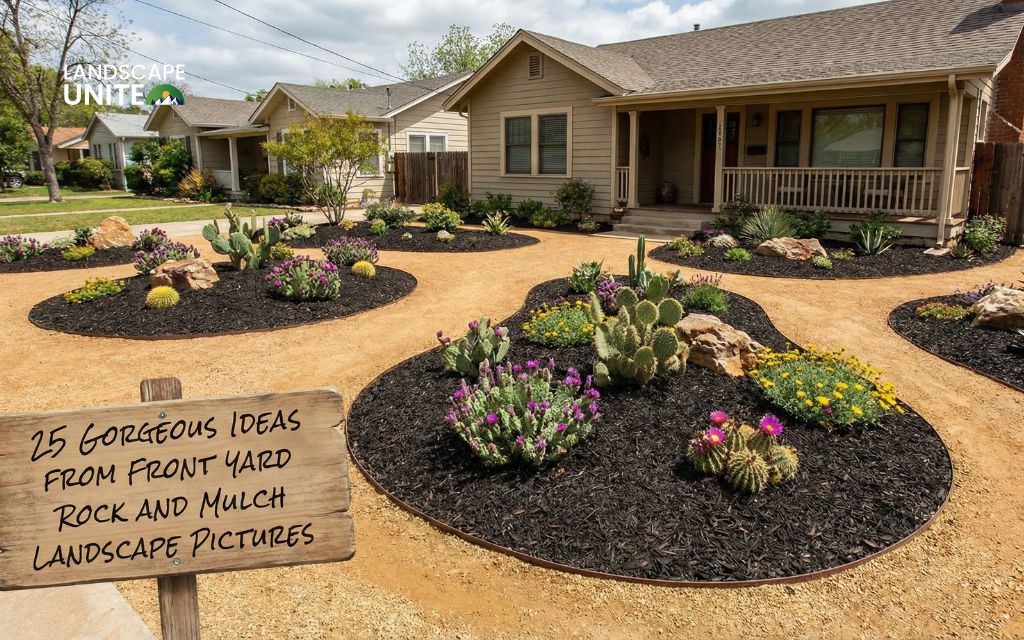
River rock flower beds are a stylish and practical way to create a clean, modern outside living space that stays low-maintenance year-round. These beds use rounded stones as groundcover or edging around plants, offering excellent drainage, weed control, and long-lasting appeal. Many U.S. homeowners choose river rock for its water-wise benefits and timeless look, especially in sunny or drought-prone regions.
This guide explains what river rock flower beds are, when they work best, and how to design and install them step by step-with expert insights to help you choose the right materials, plants, and layout for a lasting transformation.
What are river rock flower beds?
River rock flower beds use smooth, rounded stones instead of organic mulch to cover soil and frame plants. The rocks come in a range of sizes and colors, giving your yard a finished look that resists erosion and weeds. Unlike mulch, which breaks down over time, river rock stays put for years and offers excellent drainage.

Core features and benefits
- Weed suppression: A good layer of river rock with fabric beneath helps block light and minimize weeds.
- Erosion control: Rocks hold soil in place, especially on slopes or areas prone to runoff.
- Drainage improvement: They allow rainwater to flow freely, preventing soggy soil.
- Durability: River rock doesn’t fade or decompose, reducing maintenance and reapplication.
Typical materials for river rock flower beds include river stones (1–3 inch size), edging, landscape fabric, and drought-tolerant plants suited to the environment.
Where river rock flower beds work best
River rock beds shine in sunny spots, xeriscape designs, slopes, rain garden borders, and areas with heavy foot traffic where mulch easily blows or washes away. However, in extremely hot climates, consider plants that tolerate reflected heat or add light mulch rings around sensitive ones.
Best plants for river rock flower beds
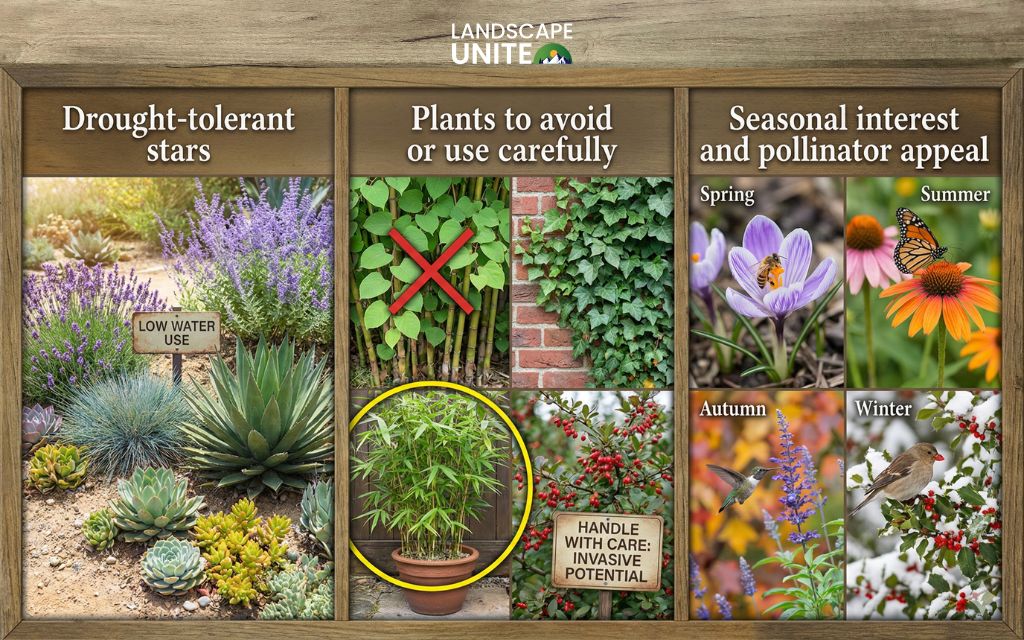
1. Drought-tolerant stars
Try hardy varieties such as coneflower, sedum, blanket flower, yucca, or ornamental grasses. These tolerate heat and limited water, thriving in the well-drained environment of river rock flower beds.
2. Plants to avoid or use carefully
Moisture-loving plants like ferns or astilbes struggle in rocky beds. Instead, use small mulched zones or moisture pockets for them.
3. Seasonal interest and pollinator appeal
Blend spring bulbs, summer perennials, and evergreens for year-round appeal. Plants like salvia, black-eyed susan, and lavender attract butterflies and bees beautifully.
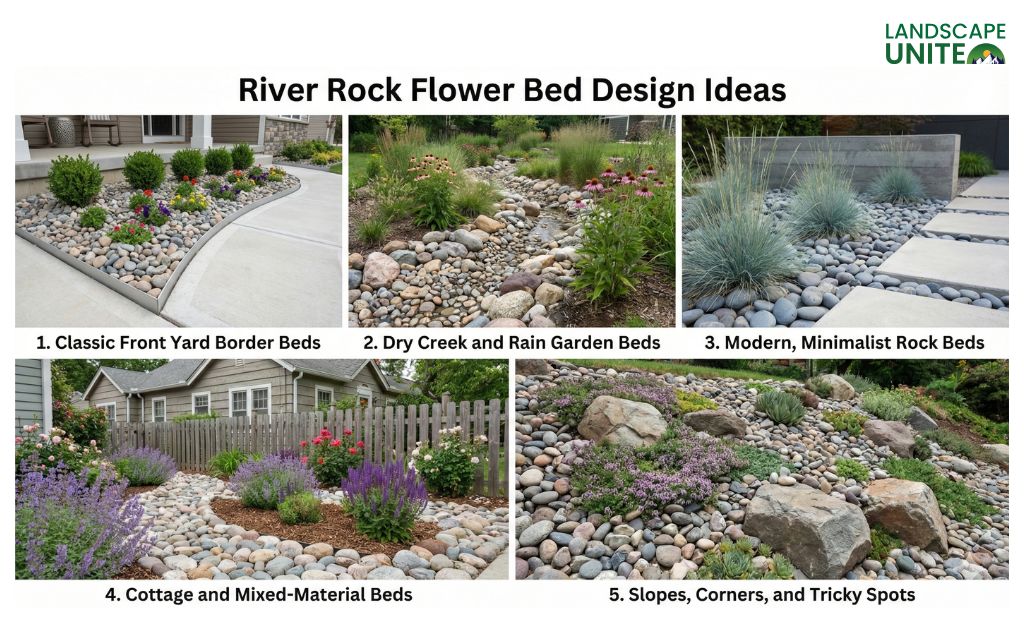
Design ideas for river rock flower beds
1. Classic front yard border beds
Outline walkways or foundations with river rock to create neat, weed-free lines. Use metal or stone edging for crisp borders.
2. Dry creek and rain garden beds
River rock’s natural look makes it perfect for dry creek features. Mix large cobbles and small pebbles to guide runoff and prevent pooling.
3. Modern, minimalist rock beds
Choose smooth gray stones, ornamental grasses, and simple geometric layouts for a contemporary vibe.
4. Cottage and mixed-material beds
Blend rock pathways with mulch or flowering clusters for a softer, traditional style.
5. Slopes, corners, and tricky spots
Use river rocks and boulders to prevent erosion on hills or narrow strips where mowing and maintenance are difficult.
Pros and cons of river rock in flower beds
Advantages homeowners love
- Long-term durability and minimal replacement needs.
- Cleaner look with fewer mess issues on sidewalks and patios.
- Natural resistance to pests such as termites and ants.
Drawbacks and common complaints
- Higher upfront investment than mulch.
- Heavy installation work, especially for large beds.
- Rocks can reflect heat and may require occasional leaf cleanup.
River rock vs mulch comparison
| Feature | River Rock | Mulch |
| Lifespan | Long-lasting | Needs yearly refresh |
| Moisture retention | Moderate | High |
| Drainage | Excellent | Can compact and block water |
| Heat retention | Warmer | Cooler |
| Maintenance | Low | High |
Some homeowners mix the two: using mulch around delicate plants and river rock for pathways or borders.
Choosing the right river rock for your beds
Types of rock used in flower beds
River rock blends well into natural landscapes. Other options include pea gravel for softer textures, lava rock for color contrast, or cobblestones for structured borders. River rock stands out for its smooth texture and durability.
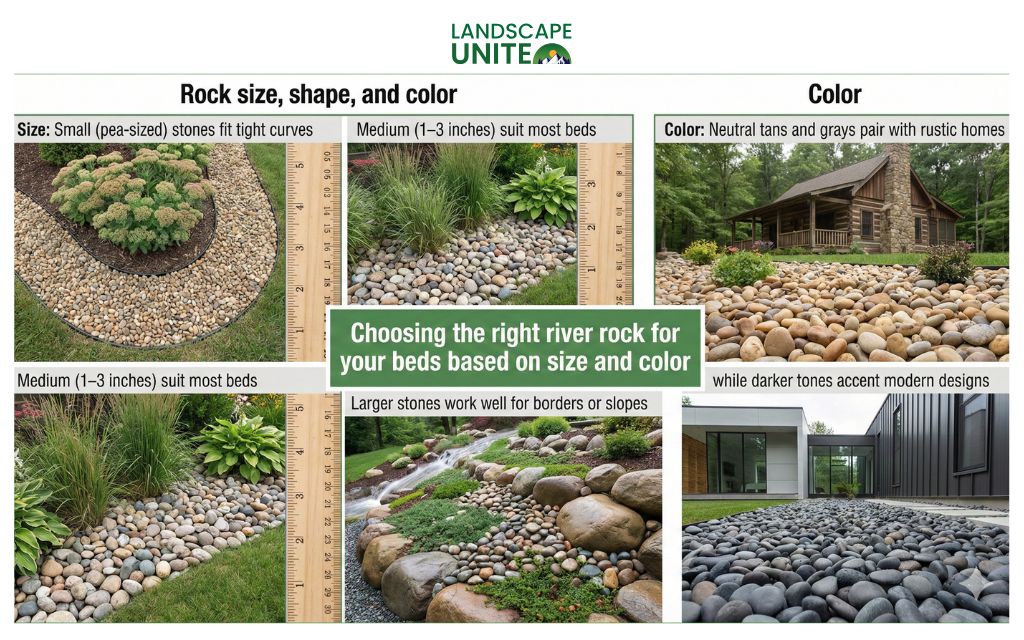
Rock size, shape, and color
- Size: Small (pea-sized) stones fit tight curves; medium (1–3 inches) suit most beds; larger stones work well for borders or slopes.
- Color: Neutral tans and grays pair with rustic homes, while darker tones accent modern designs.
How much river rock you need
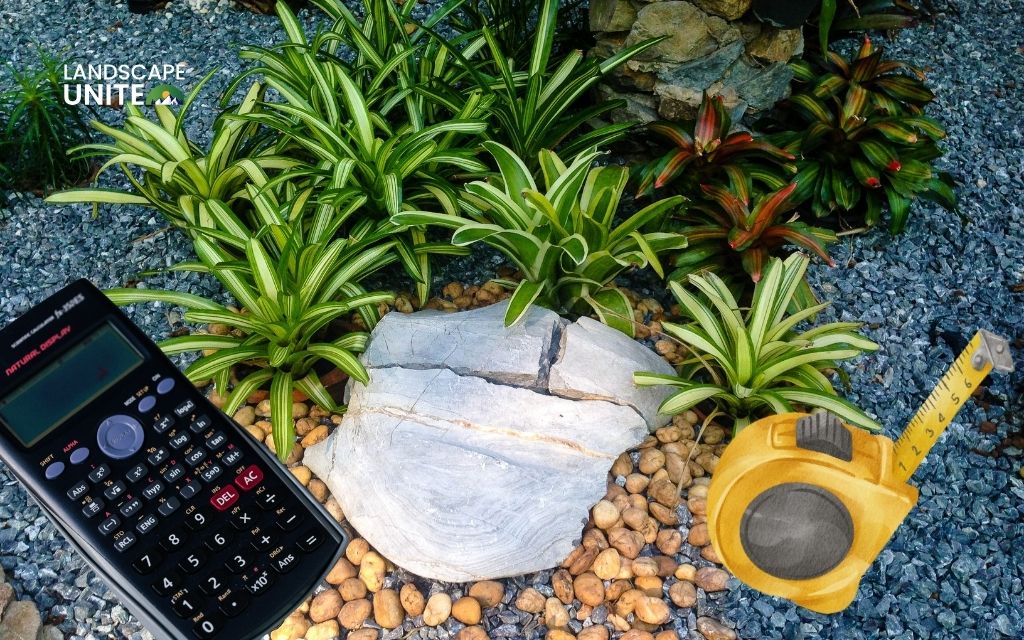
Calculate the bed’s square footage, then aim for 2–3 inches in depth. This thickness hides fabric, improves weed control, and gives even coverage. Convert your total to cubic yards or bags based on supplier guidance.
How to install a river rock flower bed
Plan your layout and materials
Sketch your design, measure the area, and choose rock type, color, and size suited to sun exposure and plant needs.
Prepare the site
Remove weeds, shape edges, amend soil, and ensure good drainage. Compact soil slightly but keep it loose enough for healthy roots.
Install fabric, edging, and rock
Add weed barrier fabric and secure it with pins. Lay edging materials, then pour and spread river rock evenly.
Planting into river rock beds
Plant before spreading rock when possible. For new additions, cut X-shaped openings in the fabric. Keep crowns clear of rocks for airflow.
Maintenance and troubleshooting
Keeping weeds down long term
Inspect beds regularly. Hand-pull early weeds and spot-treat crevices as needed. Replenish rock depth every few years.
Dealing with leaves and settling
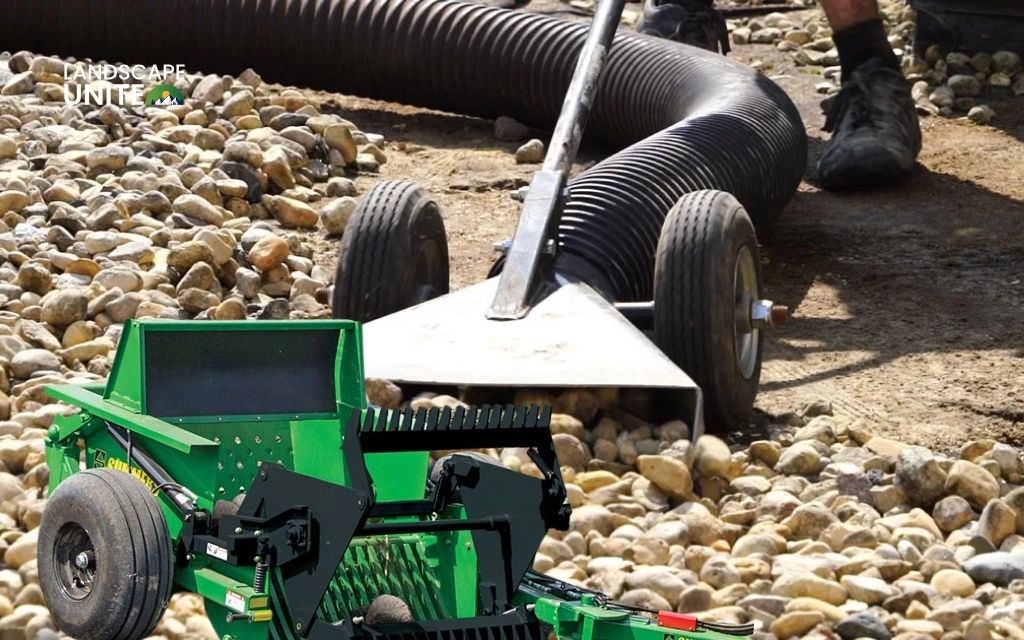
Use a leaf blower on a low setting or a gentle rake to clean debris. Fill low spots with fresh rock for even coverage.
Protecting plant health in rock beds
In hot areas, use mulch rings around base stems to shield from heat. Move heat-stressed plants to shaded sections if needed.
Cost, budgeting, and when to hire help
Upfront vs long-term costs
Initial costs vary based on rock type and delivery, but over several years, river rock can be more economical than reapplying mulch annually.
DIY or professional installation?
Smaller beds and borders are easy DIY projects. Larger or sloped designs benefit from professional planning-especially for drainage or complex layouts.
For cost details and professional installation info, visit our main blog about gardening tips.
FAQs about river rock flower beds
Are river rock flower beds bad for plants?
Not if you choose heat-tolerant, deep-rooted plants and use mulch rings where needed.
Do river rock beds get too hot for plants?
They can in full sun. Balance by mixing mulch around sensitive plants or using lighter-colored rock.
How do I stop weeds in river rock beds?
Use quality landscape fabric, maintain 2–3 inches of rock depth, and pull new weeds quickly.
Is river rock better than mulch for every climate?
Rock is ideal for dry or windy climates. In humid regions, a mulch-rock mix can balance moisture and temperature.
How much does it cost to replace mulch with river rock?
Costs depend on area size, rock type, and delivery. Read more about cost planning in our related blog posts.
Conclusion
River rock flower beds bring timeless beauty, durability, and function to any yard. With the right rock size, plant selection, and design planning, you’ll enjoy a lasting, low-maintenance landscape that complements every season. Start small-try a rock border or corner bed this weekend and see the difference. Landscape Unite is your trusted blog for real-world gardening and landscape ideas.
Contact Landscape Unite for more expert tips and explore our latest posts for fresh inspiration and easy guides that elevate your outdoor space.