Landscaping 101: Everything you need to know about landscaping
Discover more about landscaping and how they can benefit you in the blog below.
Landscaping is one of the smartest investments homeowners can make. Quality landscaping increases property values by 15-20% while creating beautiful, functional outdoor spaces.
Your landscape creates the first impression visitors have of your home and provides environmental benefits like improved air quality and natural cooling.
Well-designed landscaping transforms your yard into an extension of your living space, offering areas for relaxation, entertainment, and family activities.
Whether you’re a new homeowner or looking to refresh your outdoor space, understanding landscaping basics ensures maximum return on your investment.
What does landscaping include?
What is landscaping?
Landscaping combines natural and constructed elements to create functional outdoor environments. Modern landscaping includes several key components:
Softscape includes all living elements: trees, shrubs, flowers, grass, and garden beds that provide color, texture, and environmental benefits.
Hardscape covers constructed elements like patios, walkways, fences, retaining walls, and pergolas that provide structure and year-round functionality.
Water features add movement and sound through fountains, ponds, and efficient irrigation systems that keep plants healthy.
Lighting extends outdoor enjoyment into evening hours with ambient, task, and security lighting that highlights key features.
Sustainable additions include xeriscaping with drought-tolerant plants, native species that support local wildlife, and rain gardens that manage stormwater.
Maintenance keeps your landscape investment performing through regular lawn care, pruning, fertilization, and seasonal tasks.
How well-designed landscaping helps you?
Professional landscaping has multiple advantages:
Reduces soil erosion through strategic plant placement and root systems
Enhances biodiversity by creating habitats for beneficial wildlife
Conserves water through efficient irrigation and drought-tolerant plants
Improves air quality as plants filter pollutants and produce oxygen
Provides natural cooling through shade and plant evaporation
Creates privacy using strategic plantings as natural barriers
How to start landscaping your yard?
Step 1: Plan your landscape
Start by assessing your space and identifying how you want to use it. Note sun exposure, wind patterns, and drainage issues. Consider your lifestyle needs – do you need entertainment areas, play spaces, or quiet retreats?
Observe microclimates throughout your property. Some areas receive full sun while others stay shaded, creating opportunities for different plant selections and uses.
Step 2: Set a budget
Landscaping costs vary by project size and scope. Basic improvements range from $3,000-8,000 for smaller properties, while comprehensive transformations can cost $15,000-50,000+.
Break your budget between hardscape elements (patios, walls) that require larger upfront investment and softscape (plants, lawn) that provides immediate visual impact. Decide which tasks you’ll DIY versus hiring professionals.
Step 3: Choose plants and materials
Select plants appropriate for your climate, soil, and maintenance preferences. Drought-tolerant and native species typically require less care once established.
Plan for year-round interest by combining evergreen plants for structure, deciduous trees for shade, spring flowers for early color, and plants with fall foliage or winter interest.
Choose sustainable materials like organic mulches, permeable pavers, and locally sourced stone that complement your regional aesthetic while minimizing environmental impact.
What are landscaping design principles?
Design basics
Professional design relies on four key principles:
Unity connects your landscape through consistent themes, repeated elements, or coordinated colors.
Balance creates stability through careful distribution of visual weight – large trees might balance groupings of smaller shrubs.
Contrast adds interest by combining different textures, colors, and forms – fine grasses with broad leaves, light flowers with dark foliage.
Proportion ensures elements relate appropriately to each other and your home’s scale.
Color and texture
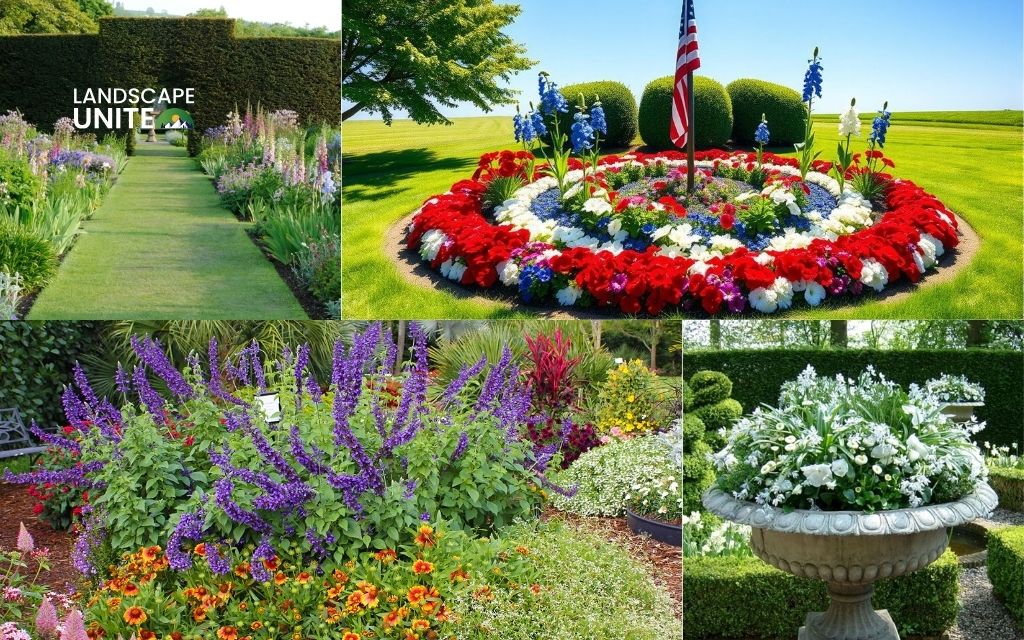
Develop a color palette including both foliage and flowers. Cool colors (blues, purples) create calm, spacious feelings, while warm colors (reds, oranges) add energy and intimacy.
Combine different textures through varied leaf sizes, shapes, and surfaces. Mix fine-textured grasses with broad-leafed plants, smooth stones with rough bark textures.
Functional areas
Create distinct zones for different activities. Relaxation areas need comfortable seating and calming plants. Entertainment zones require level surfaces and adequate lighting. Play areas need safe surfaces and durable plants.
Popular Landscaping Ideas by Region and Climate
Landscaping in Dry Climates (Colorado, Arizona,…)
Dry climate landscaping embraces water-smart design principles that create beautiful spaces while conserving precious water resources. Xeriscaping techniques use drought-tolerant plants, efficient irrigation, and strategic hardscaping to minimize water needs.
Popular plant choices include native grasses like buffalo grass and blue grama, succulents such as sedums and agaves, and aromatic herbs like lavender and rosemary. Tree options include drought-adapted species like pinyon pine, oak varieties, and ornamental trees like desert willow.
Design features often incorporate decorative gravel, boulder accents, and permeable hardscaping that allows water infiltration while providing functional surfaces. Strategic shade structures and windbreaks help create comfortable microclimates.
Rainy or Humid Areas (Pacific Northwest, Southeast,..)
Humid climates offer opportunities for lush, diverse plantings but require careful attention to drainage and plant selection. These regions can support water-loving plants that would struggle in drier climates.
Rain gardens and bioswales capture and filter stormwater runoff while creating unique planting opportunities for moisture-loving plants. Popular plants include ferns, hostas, rhododendrons, camellias, and native wildflowers that thrive in moist conditions.
Design considerations include proper drainage systems, raised beds for areas with standing water, and selecting plants resistant to fungal diseases common in humid environments. Moss gardens and shade plantings create serene, woodland-like atmospheres.
Cold Climate Landscaping (Northeast, Midwest,…)
Cold climate landscaping focuses on plants that survive harsh winters while providing year-round visual interest. The key is selecting hardy varieties and protecting sensitive plants during extreme weather.
Evergreen plants like spruce, fir, and pine provide essential winter structure and color. Deciduous trees with interesting bark, such as birch and maple, add winter appeal. Hardy perennials like coneflowers, black-eyed susans, and ornamental grasses provide summer color and winter seed heads for wildlife.
Design strategies include windbreaks to protect both plants and hardscaping features, proper plant placement to avoid frost pockets, and selecting plants with staggered bloom times for extended seasonal interest.
Low-Maintenance vs High-Impact Ideas
Low-maintenance landscaping appeals to busy homeowners who want beautiful outdoor spaces without intensive upkeep. These designs emphasize native plants adapted to local conditions, automated irrigation systems, and durable hardscape elements that require minimal care.
High-impact features create dramatic focal points with relatively simple installation and maintenance. Examples include specimen trees, water features, striking hardscape elements, or bold plant combinations that provide maximum visual impact.
The key is balancing maintenance requirements with desired aesthetic results. Strategic design can achieve stunning landscapes that require only seasonal maintenance rather than constant care.
Eco-Friendly and Drought-Tolerant Inspiration
Sustainable landscaping practices benefit both homeowners and the environment while often reducing long-term maintenance costs. Native plant gardens support local wildlife while requiring minimal water, fertilizer, and pest control once established.
Pollinator gardens attract beneficial insects crucial for food production and ecosystem health. These gardens feature native flowering plants that bloom throughout the growing season, providing consistent nectar sources.
Edible landscaping integrates food production with ornamental plants, combining beauty with functionality. Fruit trees provide spring flowers and fall harvest, while herb gardens offer both culinary value and attractive foliage and flowers.
Spring: Fertilize lawn and plants, prune before active growth, aerate compacted soil, apply fresh mulch, plant new additions.
Summer: Regular mowing, deep infrequent watering, monitor for pests, deadhead spent flowers, maintain irrigation systems.
Fall: Remove leaves, fall fertilization, continue lawn care, plant trees and bulbs, begin winter protection.
Winter: Protect sensitive plants, clean and store tools, maintain hardscapes, and plan next year’s improvements.
Common mistakes to avoid
Overwatering kills more plants than drought. Most plants prefer deep, infrequent watering that encourages strong roots.
Improper pruning damages plants and reduces flowering. Learn correct techniques and timing for different plant types.
Neglecting seasonal tasks leads to expensive problems. Follow regular maintenance schedules for best results.
Landscaping trends to watch
Edible gardens integrate food production with ornamental plants – fruit trees, herb gardens, and attractive vegetable areas.
Vertical gardens maximize space with living walls that improve air quality while creating dramatic focal points.
Native plants support local ecosystems while requiring less maintenance than non-native alternatives.
Outdoor living spaces extend interior comfort outside with fire pits, outdoor kitchens, and weather-protected seating areas.
Smart technology includes irrigation controllers, soil sensors, and smartphone apps for plant care and maintenance scheduling. Dive deeper into the different types of landscaping tools available.
Conclusion
Successful landscaping starts with thorough planning that considers your site conditions, needs, and goals. Choose appropriate plants for your climate while following design principles that create unity and function.
Focus on sustainable practices that benefit your property and environment. Commit to regular maintenance that keeps your investment performing at its best.
Explore our comprehensive guides and expert advice in the Landscape Unite blog for plant selection, design inspiration, and maintenance tips to create your ideal outdoor space.
Frequently asked questions (FAQs)
How do I choose the best plants for my yard?
Select plants based on your sun exposure, soil type, water availability, and climate zone. Native plants typically require less maintenance. Consult local nursery professionals for region-specific recommendations.
When is the best time to start landscaping?
Spring and fall provide ideal planting conditions. Spring allows full growing season establishment, while fall takes advantage of cooler temperatures and natural rainfall. Plan during winter for spring implementation.
Can I landscape my yard in stages?
Yes. Phased landscaping spreads costs over time while allowing you to learn what works. Start with essentials like basic plantings, then add features like patios or specialty gardens later.
How much does professional landscaping cost in the US?
Basic improvements range from $3,000-8,000 for smaller properties. Comprehensive transformations cost $15,000-50,000+. Costs vary by scope, materials, and regional labor rates.
What landscaping services are best for winter months in the US?
Winter services include plant protection, snow removal, dormant pruning, hardscape maintenance, and planning for spring projects. Winter offers good timing for major installations in moderate climates.
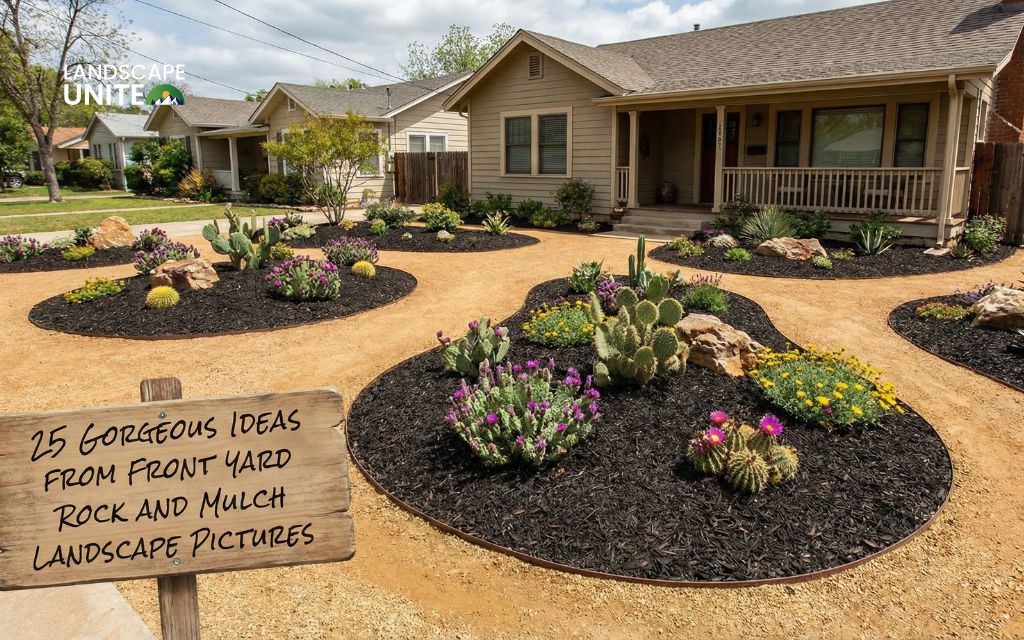
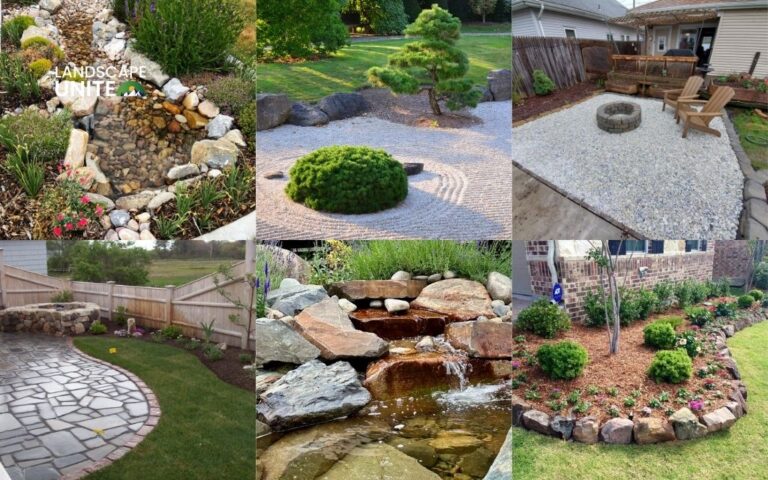
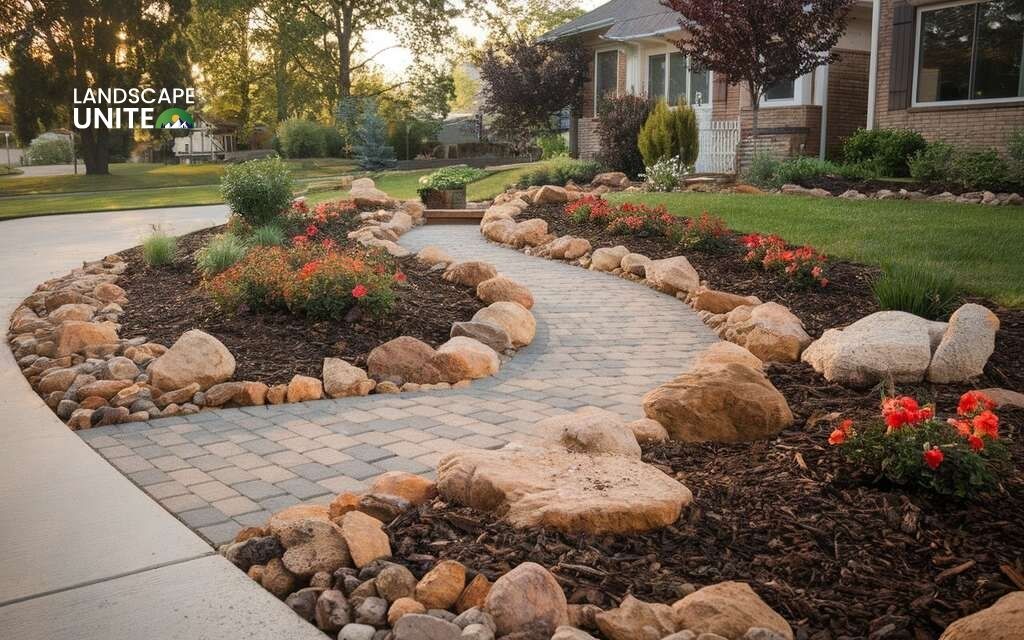
10min readDreaming of a front yard rock and mulch landscape that wows neighbors without weekly mowing? These pictures showcase low-maintenance stone landscaping blending boulders, gravel, river rock, and cedar mulch with
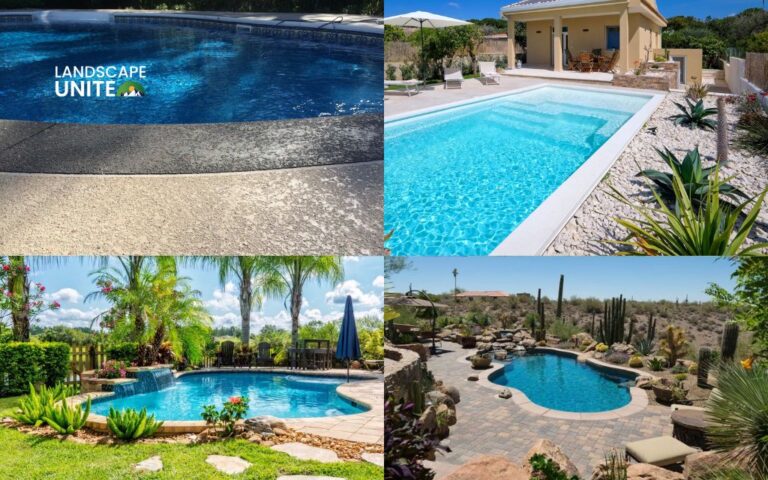
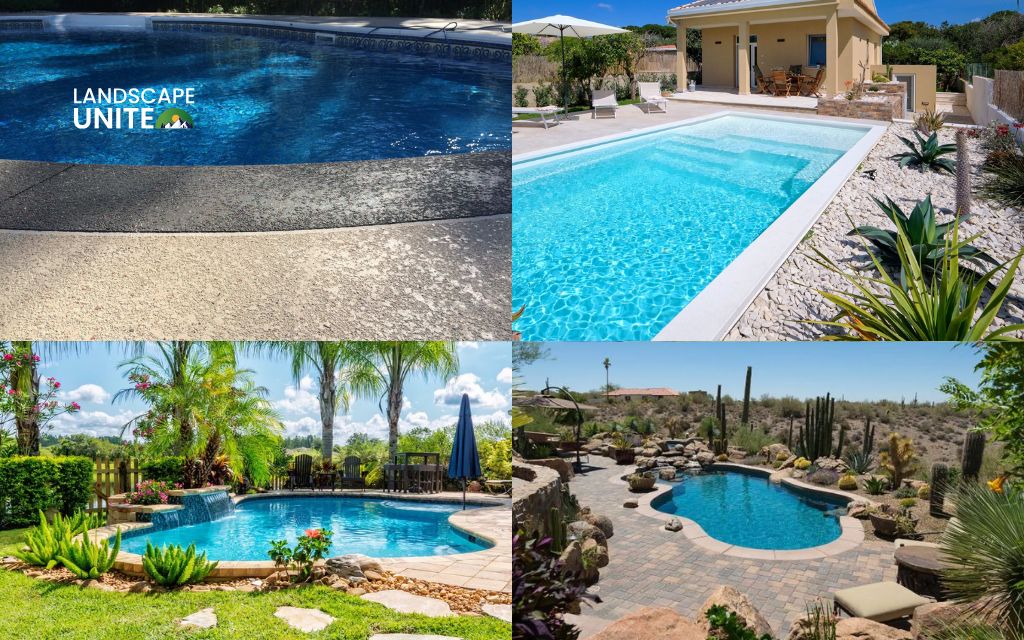
7min readHave you ever wondered why professional landscape designers consistently choose rocks for pool areas? The answer is simple: landscaping around
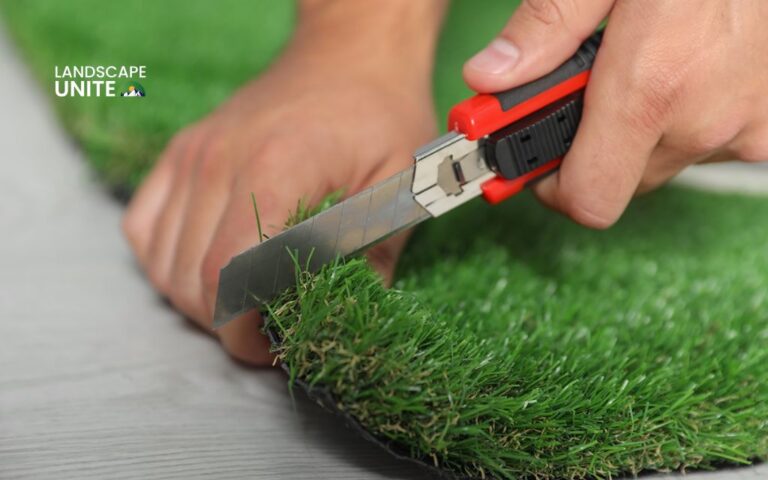
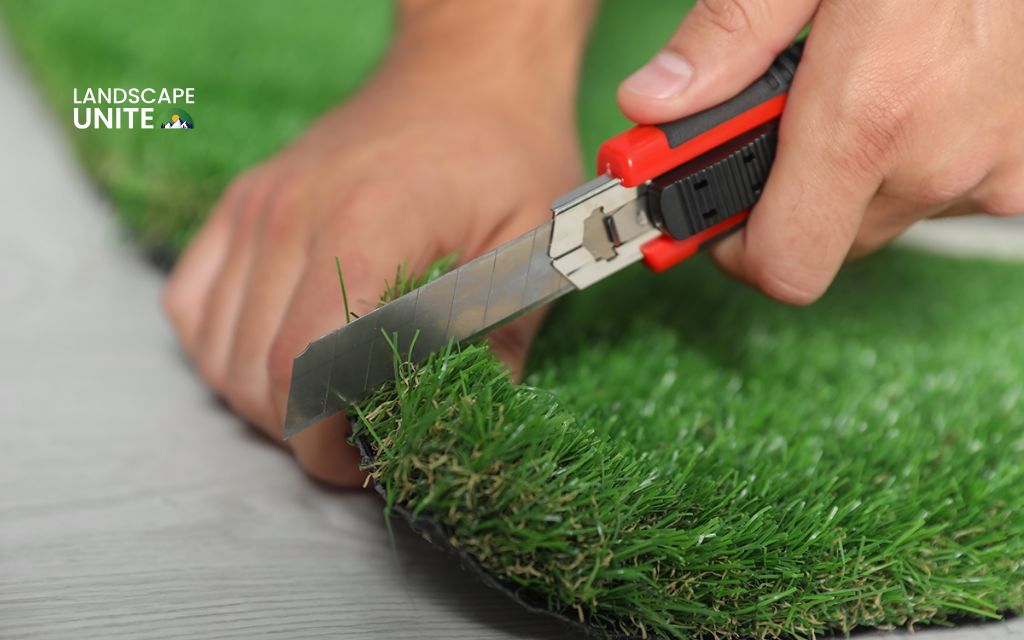
6min readInstalling artificial grass can transform your outdoor space into a beautiful, low-maintenance landscape that stays green year-round. However, achieving professional-looking
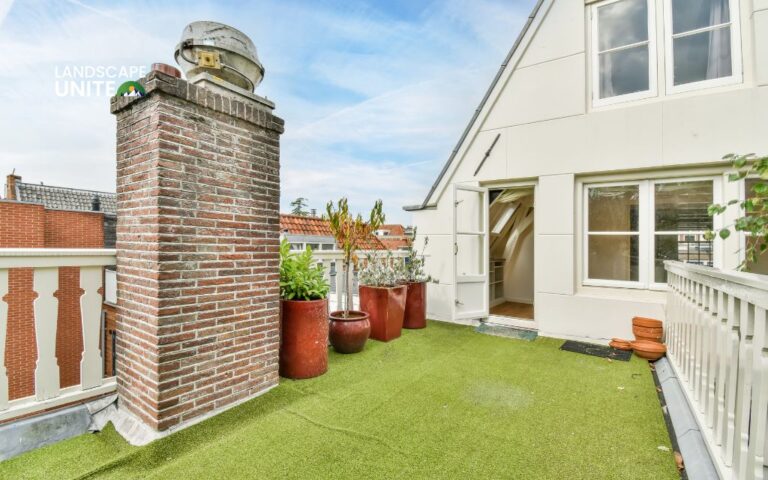
7min readTransform your backyard into a low-maintenance paradise with these creative backyard landscape designs with artificial grass ideas that combine stunning
6min readWhether you’re dealing with challenging soil conditions, water restrictions, or simply want to minimize yard work, front yard artificial grass